


When we think about lawyers winning cases, most of us picture powerful arguments, clever legal strategies, and meticulous research. But there’s another tool in their arsenal that’s just as influential: body language. From subtle gestures to confident posture, lawyers use nonverbal cues to persuade juries, establish authority, and convey trustworthiness. Understanding these secrets can reveal how powerful communication extends far beyond words and why a well-timed glance or posture can sometimes make the difference between winning and losing a case.
The Power of Posture
Posture communicates confidence—or the lack of it. Lawyers know that standing tall, with shoulders back and feet grounded, signals authority and credibility. Leaning slightly forward during questioning shows engagement and interest, while slouching or folding arms can appear defensive or uncertain. In court, posture isn’t just about appearance; it shapes how jurors perceive a lawyer’s competence and reliability.
Gestures That Emphasize Points
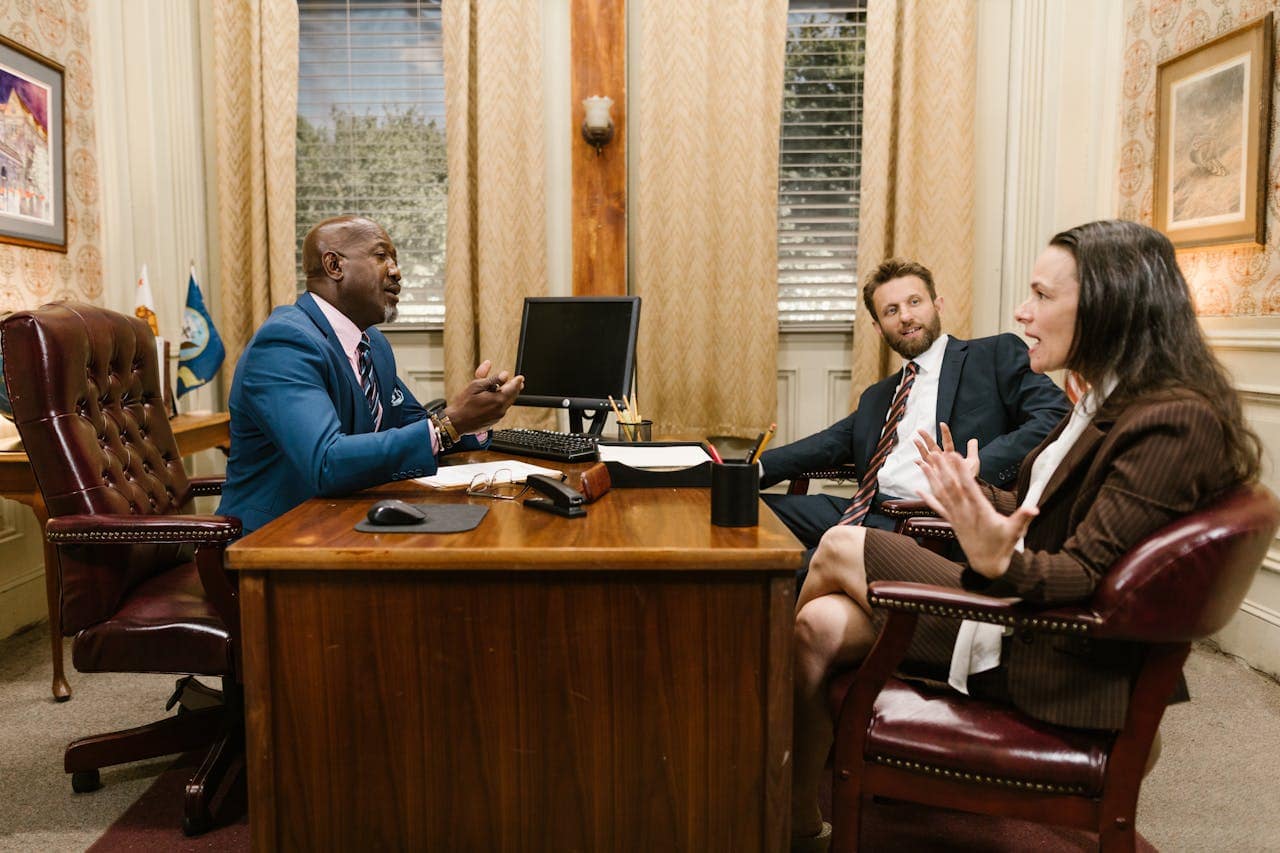
Hand movements aren’t just filler—they highlight important information. Lawyers use purposeful gestures to punctuate arguments, illustrate numbers, or indicate sequence. Open palms suggest honesty, while pointed fingers can convey authority, but only when used sparingly. By matching gestures to words, lawyers create a more memorable and persuasive presentation. Subtle motion keeps attention focused and reinforces the credibility of the speaker’s statements.
Eye Contact and Connection
Maintaining the right level of eye contact is crucial. Too little can seem evasive; too much can feel aggressive. Skilled lawyers use eye contact to connect with jurors, witnesses, and judges, creating a sense of trust and engagement. They …