


When we think about lawyers winning cases, most of us picture powerful arguments, clever legal strategies, and meticulous research. But there’s another tool in their arsenal that’s just as influential: body language. From subtle gestures to confident posture, lawyers use nonverbal cues to persuade juries, establish authority, and convey trustworthiness. Understanding these secrets can reveal how powerful communication extends far beyond words and why a well-timed glance or posture can sometimes make the difference between winning and losing a case.
The Power of Posture
Posture communicates confidence—or the lack of it. Lawyers know that standing tall, with shoulders back and feet grounded, signals authority and credibility. Leaning slightly forward during questioning shows engagement and interest, while slouching or folding arms can appear defensive or uncertain. In court, posture isn’t just about appearance; it shapes how jurors perceive a lawyer’s competence and reliability.
Gestures That Emphasize Points
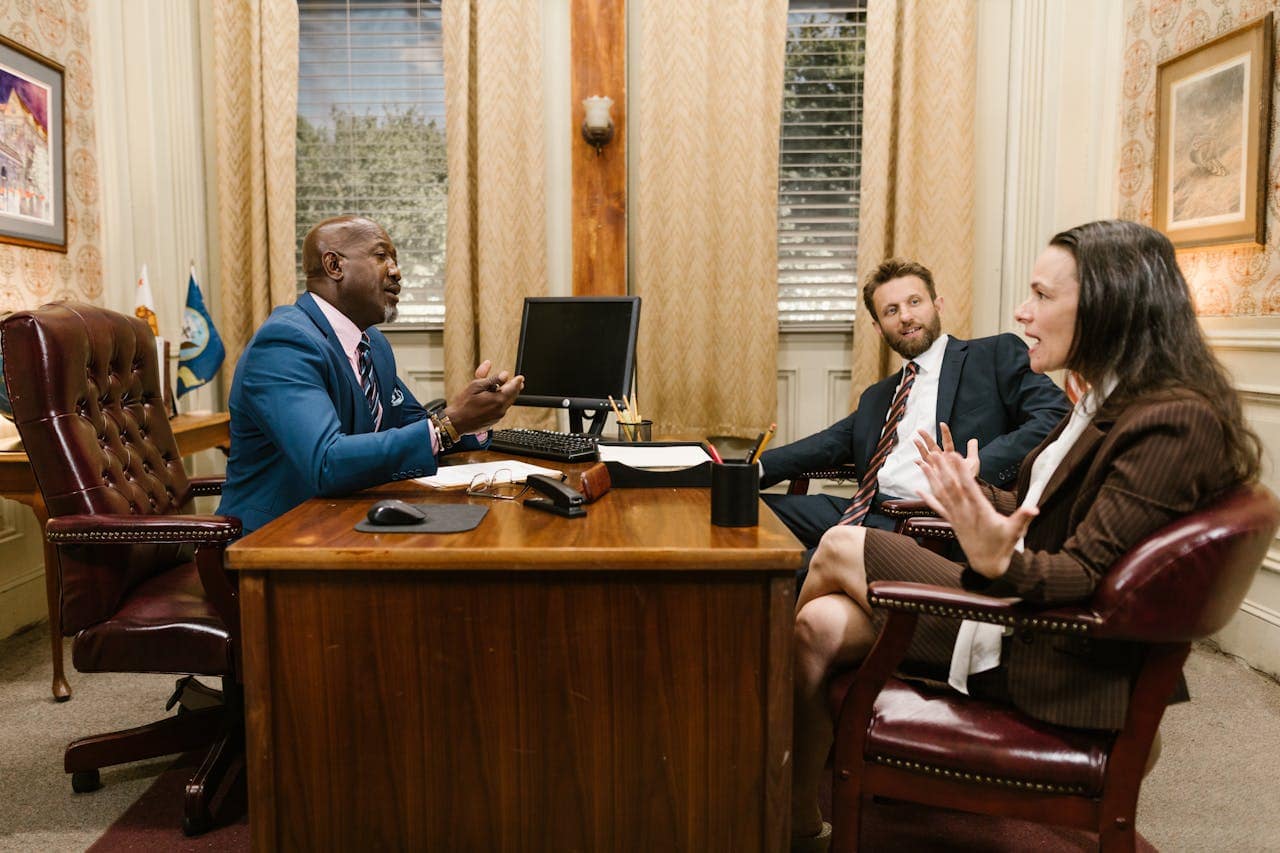
Hand movements aren’t just filler—they highlight important information. Lawyers use purposeful gestures to punctuate arguments, illustrate numbers, or indicate sequence. Open palms suggest honesty, while pointed fingers can convey authority, but only when used sparingly. By matching gestures to words, lawyers create a more memorable and persuasive presentation. Subtle motion keeps attention focused and reinforces the credibility of the speaker’s statements.
Eye Contact and Connection
Maintaining the right level of eye contact is crucial. Too little can seem evasive; too much can feel aggressive. Skilled lawyers use eye contact to connect with jurors, witnesses, and judges, creating a sense of trust and engagement. They often scan the room to include everyone, making each person feel acknowledged. Strategic eye contact can emphasize key points and reinforce the sincerity behind verbal arguments, subtly guiding how others perceive the lawyer’s message.
Reading Opponents’ Signals
Body language isn’t just about what a lawyer projects; it’s also about reading others. Successful attorneys observe witnesses and opposing counsel for microexpressions, fidgeting, or defensive movements. These nonverbal clues can reveal nervousness, uncertainty, or even dishonesty, giving lawyers an edge during questioning. Recognizing subtle cues allows them to adjust their strategy in real time, tailoring questions and responses to maximize impact.
The Subtle Art of Mirroring
Mirroring is a technique where lawyers subtly mimic the posture, gestures, or speech patterns of others to build rapport. When jurors or witnesses feel subconsciously in sync with the lawyer, they are more likely to trust and agree with them. Mirroring is subtle—it isn’t copying—but it fosters connection and encourages cooperation, which can be a powerful advantage in a courtroom setting.
Controlling Space and Movement
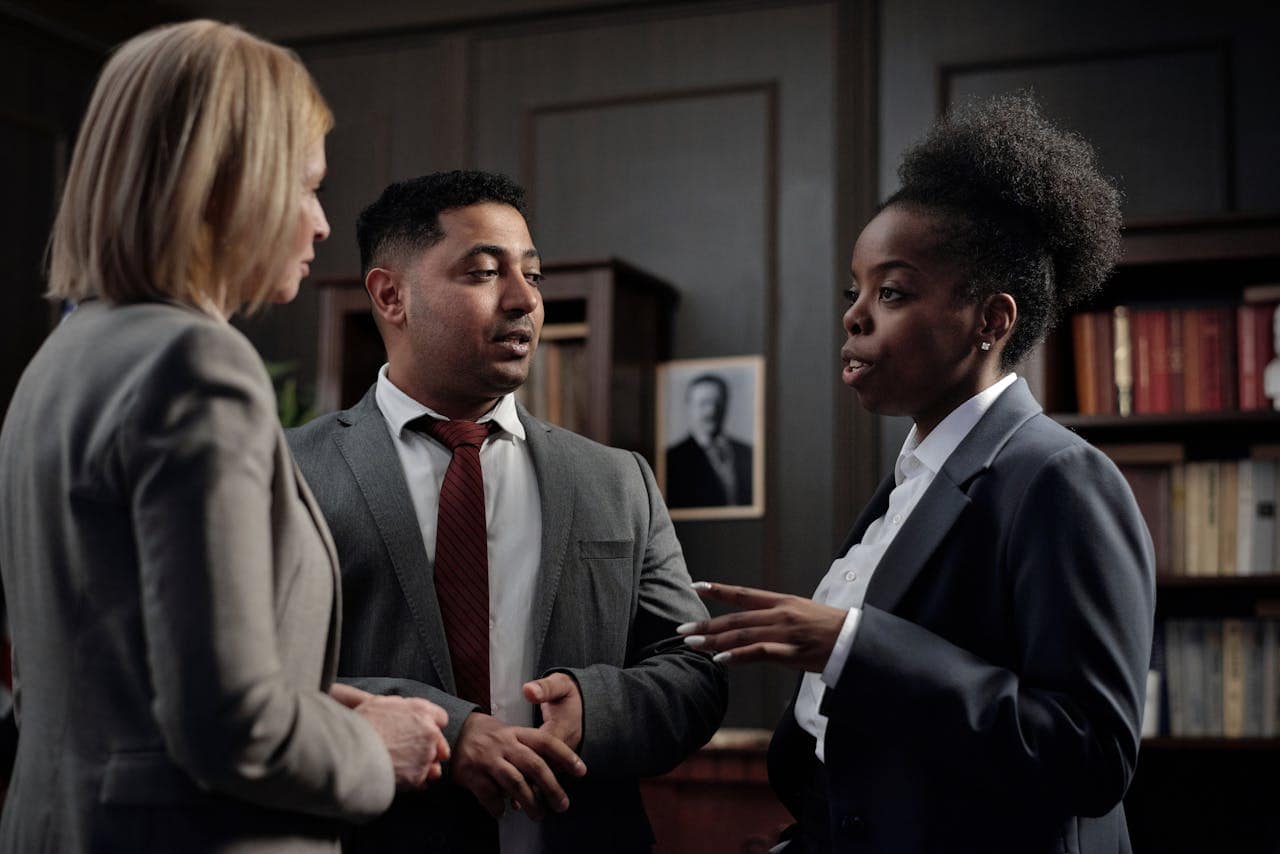
Where a lawyer stands and how they move can influence perception. Moving deliberately, rather than pacing, projects confidence and control. Approaching a witness or moving toward the jury at key moments can draw attention and underscore important points. Conversely, standing still at strategic moments can convey calm authority, letting words carry more weight. Courtroom movement is choreography designed to guide focus and reinforce messaging.
Facial Expressions Matter
Lawyers also use facial expressions to complement their words. A well-timed nod, slight smile, or raised eyebrow can emphasize honesty, surprise, or skepticism. Overly animated expressions may seem theatrical, while neutral expressions can come across as cold. The most effective attorneys balance emotion and restraint, letting their facial cues support, rather than overshadow, their verbal arguments.
Winning a case isn’t just about legal knowledge—it’s also about communication, and body language plays a huge role. From posture and eye contact to gestures, mirroring, and spatial awareness, lawyers use subtle nonverbal cues to persuade, connect, and influence outcomes. Understanding these secrets shows that courtroom success relies not only on what is said but on how it is conveyed. Whether you’re speaking in court, a meeting, or a presentation, mastering body language can give you a powerful advantage—just like the top attorneys who know how to use it to win cases.


